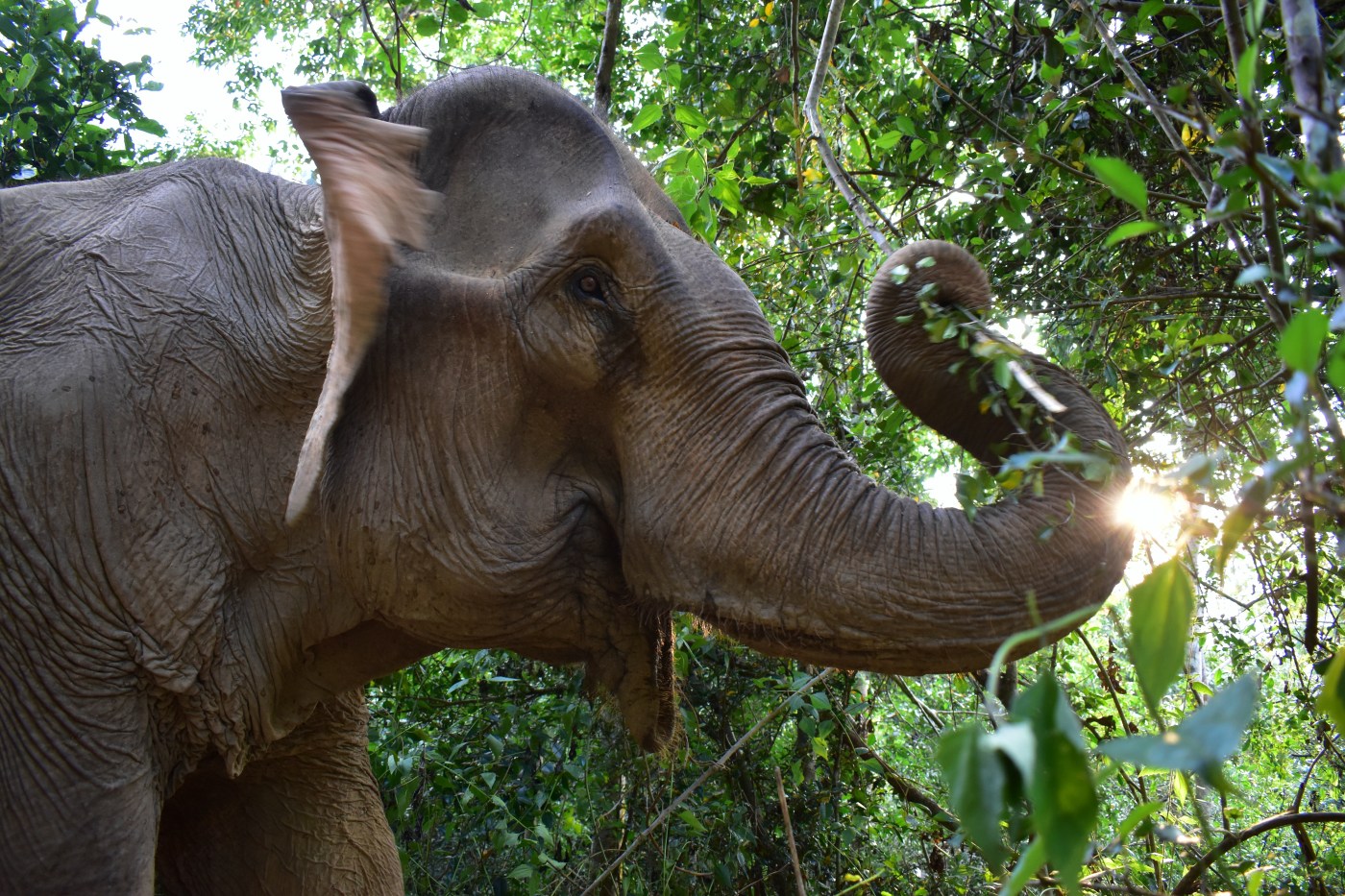
Elephants are an essential part of The Laotian culture and folklore. The former flag of Laos featured a three-headed, white elephant and Laos used to be known as “the land of one million elephants”. Yet while the Asiatic elephant may have enjoyed a status of a cultural icon for the Lao People’s Democratic Republic, the numbers tell a story of a species in crisis.
It is estimated that there are only about 800 elephants left in the country — 400 wild elephants, 400 in captivity. Ivory trade, hunting and loss of habitat are their main threats.
The majority of elephant “sanctuaries” in Asia still allow tourists to ride elephants or pay to be a mahout. However, since their spine is jagged and convex riding an elephant with a saddle is extremely painful for those gentle giants.
However, sustainable elephant sanctuaries still exist in Laos. And we visited one of them.

Mandalao, a truly sustainable elephant sanctuary
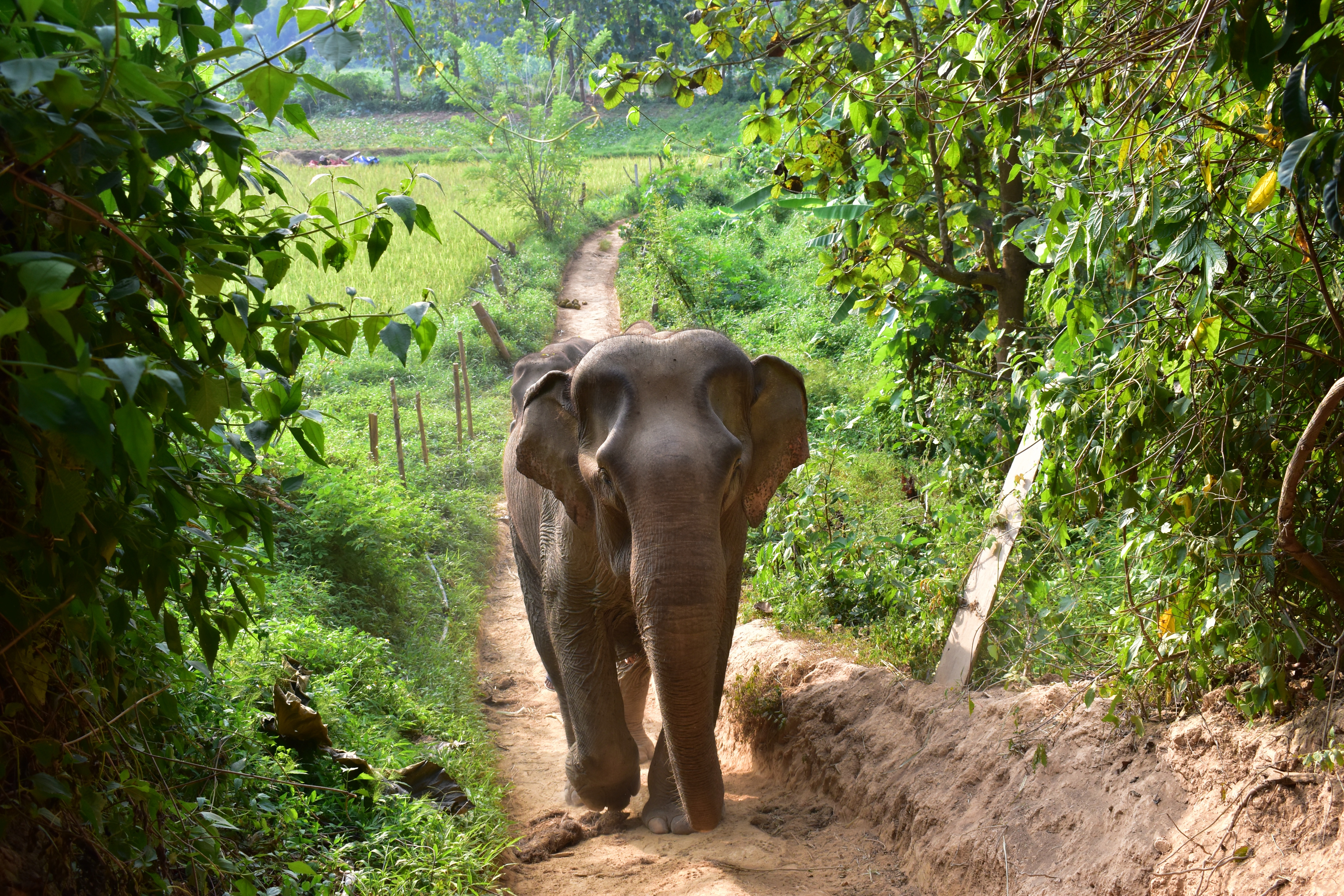
Mandalao is a conservation organization located 20 kilometers outside of Luang Prabang. There, elephants are rescued and brought to walk with humans rather than be ridden by them. Mandalao offers a dignified life for the elephants, so that they may spend the rest of their days eating and roaming as they please. There are no saddles, hammers, hooks, circus tricks, baths, or rides involved. You learn how to appropriately interact with the elephants if they approach you, which they certainly will during your trek. If they come to you, you are encouraged to engage with them. Elephants are social, compassionate creatures that feed off your emotions and they like to be interacted with on their terms.
We chose to do the “afternoon “Communicating with Elephants” tour offered in the afternoons. After an introduction to the vision and mission of Mandalao, we were preparing food for the gentle giants: bananas filled with salt and tamarin. With the lunch package in our hands we crossed the river heading to the eating place of the elephants where we could feed the gentle giants. After meeting and feeding the elephants, you are led by your guide through the jungle, walking alongside them for approx. 1 hour.
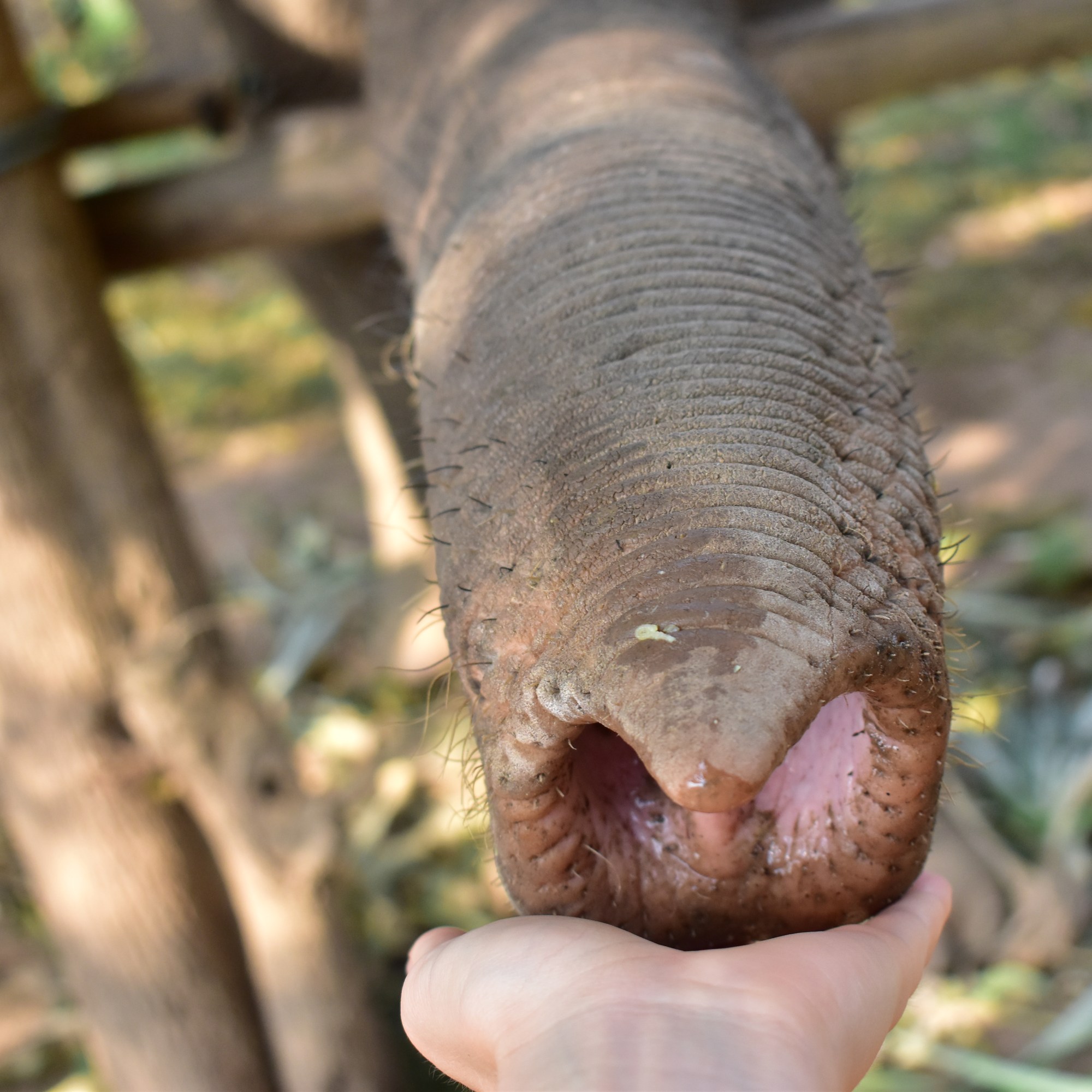


Yes, it’s a fairly costly experience to have: 80$ per person. However it’s worth every penny. Caring for elephants is an expensive, but worthwhile, endeavor. That’s why it’s important to know exactly where your dollars are going. Money generated from tours goes towards feeding these happy, hungry creatures. It also goes towards paying the kind mahouts who care for the elephants and build meaningful relationships with them.
For a good purpose
Mandalao hopes that by educating tourists and providing an intimate, ethical experience for travelers to witness the beauty of the elephants, they will eventually be revered and treasured the way they were in the past.
All thanks to the conservation efforts of places like Mandalao.
 Byond Traveling