
On our way towards our lodge after the afternoon game drive. It was pitch dark. The ranger’s flashlight was the only source of light. It was absolutely silent, apart from the sound of animals breaking branches in the bush. Remaining unseen for the human’s eye. It could be everything and anything, from a bush rabbit to a hyena or an elephant.
BLACK RHINO
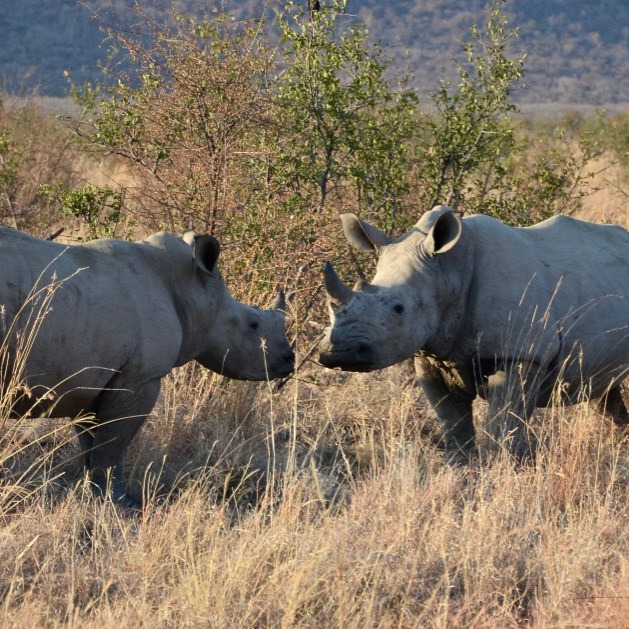
Our ranger spotted something with his flashlight 50 meters in front of us. It was a black rhino with a calf. The rhino spotted us as well as started to run into the bush. We followed him. Off road through the thick bush.
Animals, animals and more animals
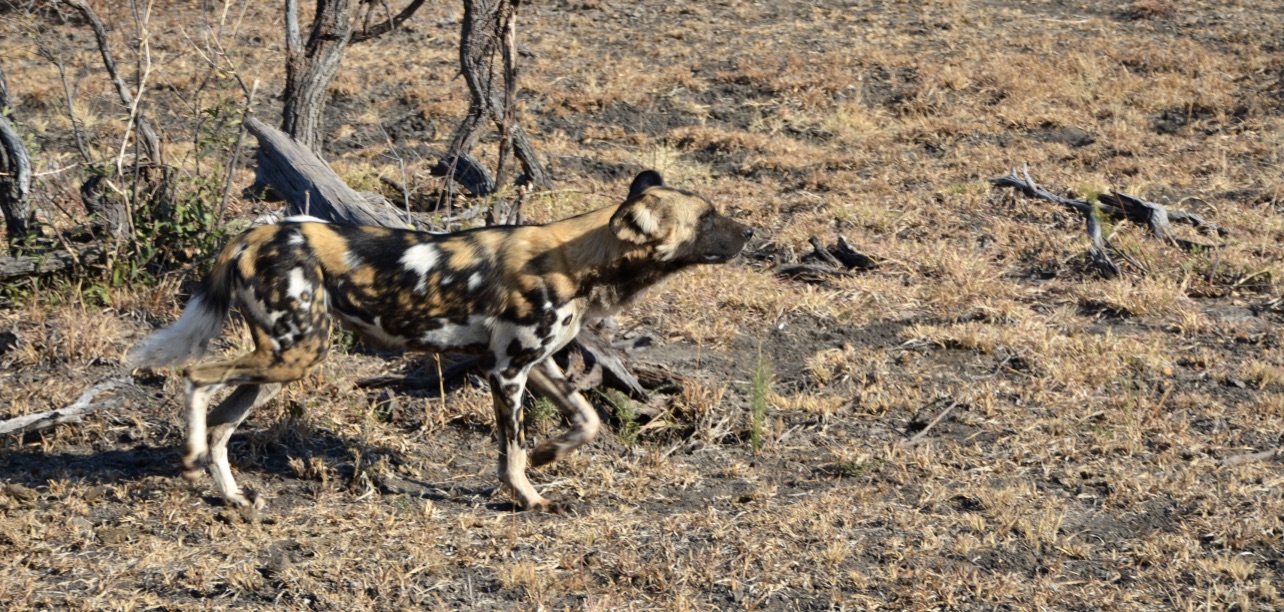
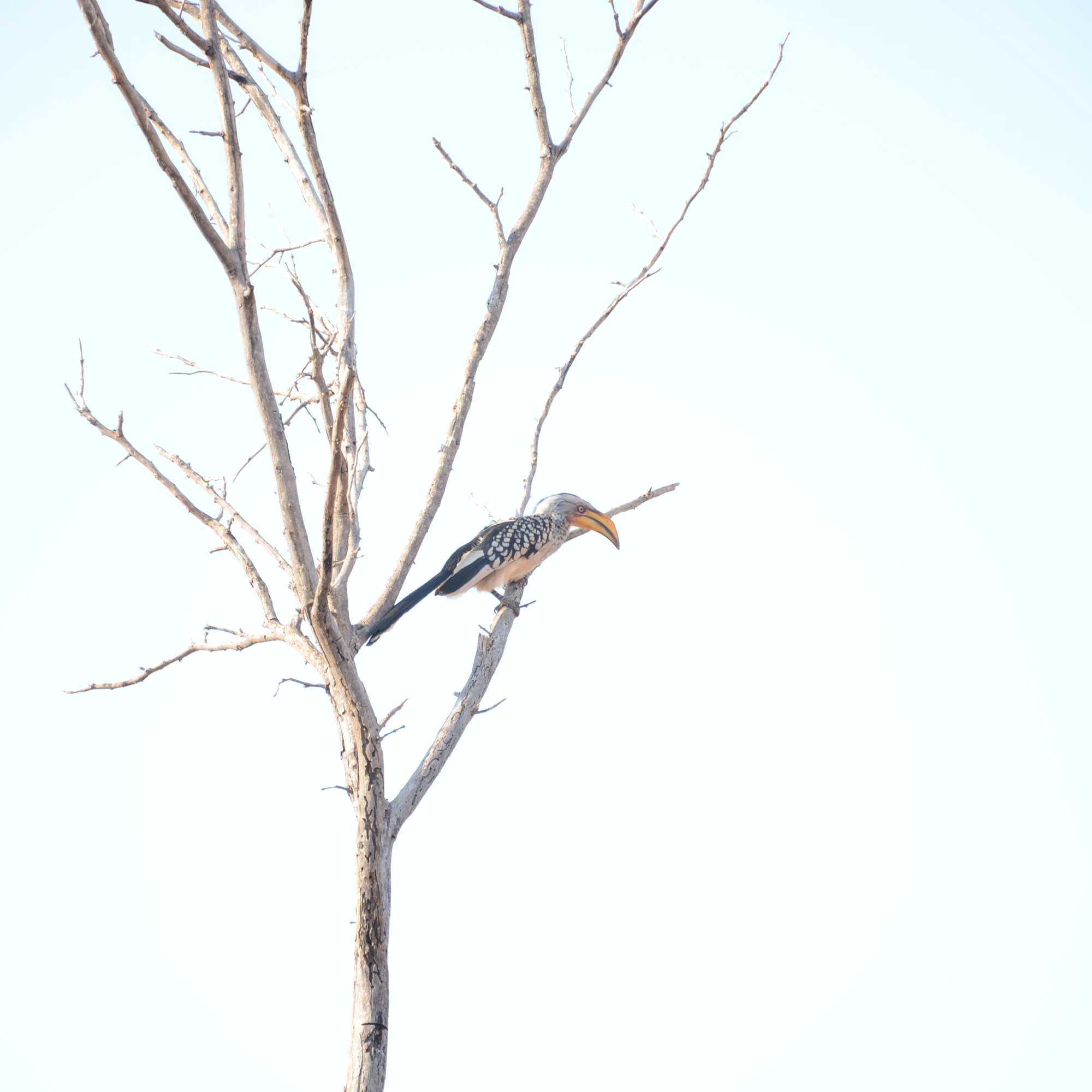
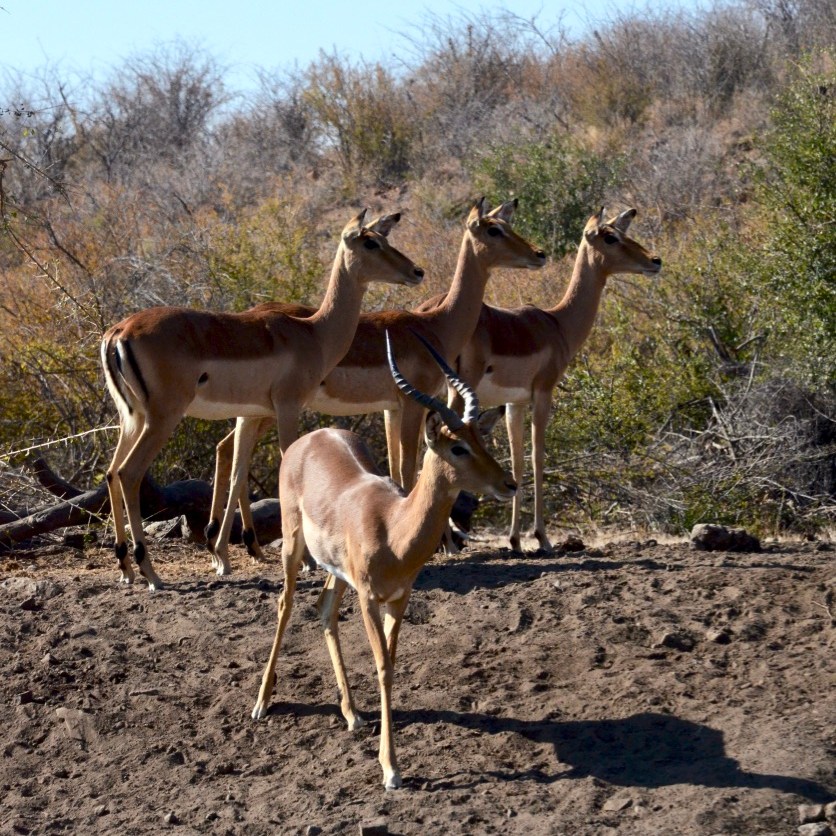
This place is full of animals. Including the well known big 5 as well as other kings of the bush such as wild dogs, black rhinos, cheetahs, giraffes, hippos, hyenas and aardvarks. If you never heard of an aardvark it’s time to google it. These little munchkins are the most ugly and simultaneously cutest nocturnal animal we’ve ever seen in the bush. Besides the small, less known residents, Madikwe accommodates the second largest numbers of elephant in South Africa. Only Kruger has more.
Hidden Gem, not so well hidden
Madikwe Game Reserve is the fifth largest game reserve in South Africa (almost 750 km²). Yet, it is one of the lesser known. While many tourists head to Kruger to check one more box on their bucket list, Madikwe is closer, more exclusive and malaria free. You don’t have to brave potholed roads leading deep into the wilderness. It is a straightforward 4 hours (350 km) drive away from Johannesburg or Pretoria on the N4. And because it’s bordering Botswana you can plan for a quick stop there to collect another stamp in your passport.

Exclusivity & Luxury
Standing in a queue behind 10 other cars watching a leopard eating his pray? What a nightmare. This won’t happen in Madikwe. Self-drives are prohibited. This allows visitors to enjoy a sight in an exclusive way and puts no pressure on the animals. The 75.000-hectare reserve contains of 31 lodges. The majority of those are luxurious lodges featuring open access to the surrounding bush with floor-to-ceiling windows, pool areas, hides to spot animals and absolute privacy.
Conservation at its best
The Reserve has been established in 1991 on degraded farmland. In a big-scale reintroduction operation 800 animals of 28 species were translocated in only 7 years. The so called Operation Phoenix is world-renowned as the biggest and most successful reintroduction program. The first time in history that a whole herd of elephants has been translocated and that African wild dogs have been reintroduced into a fenced reserve.
We like it as much as its residents.

 Byond Traveling